
Vanilla is something that I use very often, I seriously use it every single time I bake but I always end up running out of my favourite extract. So I decided it was time to make my own.
Now listen, vanilla beans themselves can be super EXPENSIVE but so can a good quality vanilla extract. Babyyyyyyyyyyy, I often close my eyes when making vanilla bean purchases and depended on the vanilla bean origin it can be the difference between $50 to $100 or even more.

Although it is pricey, I chose to create my own vanilla bean extract because homemade is always best (my opinion) and I control the products I use.
Now let us get into this vanilla bean extract. I love homemade vanilla extract, the quality is always better than store bought (my opinion yet again). I created a batch almost 3 years ago (2018) for the first time, and I never looked back. As time passed, my vanilla bean extract developed such a strong and complex flavour, I had to make it again!
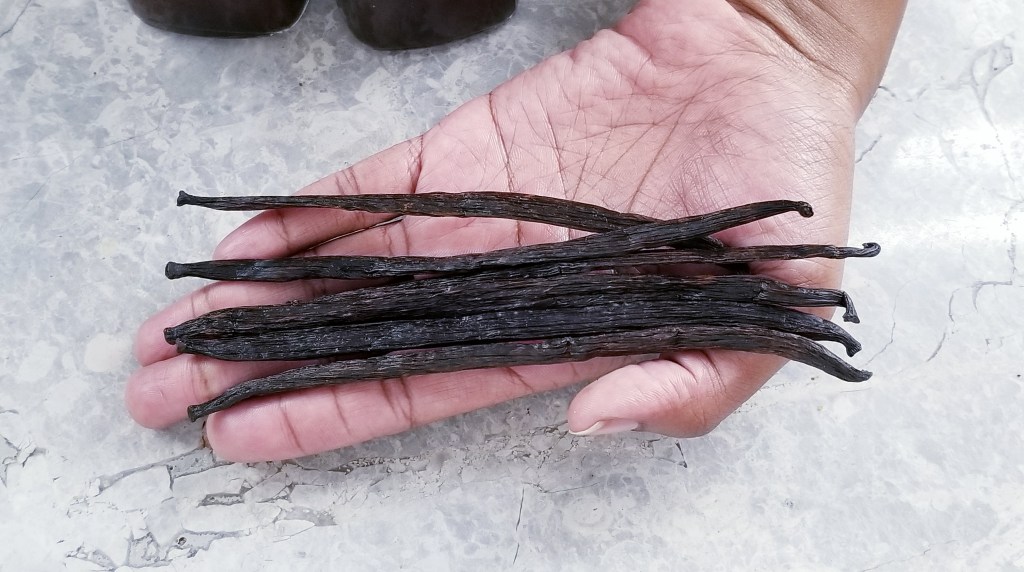
Here is what I did:
- Get some of the finest vanilla beans, I used 5-6 beans from Madagascar.
- Cut both ends (I did it this way) then split the bean down the middle. I did it to expose the seeds which contain that good vanilla flavour we all love.
- Since my bottles where a specific height, I cut the beans in half to allow full immersion.
- Use a funnel if your bottle has a small lip to transfer alcohol.
That’s pretty much everything in a nutshell, now I must let you know I did not measure my alcohol, I used enough to cover my beans completely. For this experiment (because that is what it was lol) I created 2 different bottles of vanilla extract using different types of alcohol.
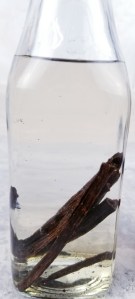
For the first bottle, I used a spiced white rum which has a 60% alcohol content. It has a flavour profile that includes nutmeg, cinnamon even a hint of molasses, and those were just the notes I could identify, it is a beautiful blend of spices. The rum itself is strong but flavourful and I was not sure what the results would yield, so I was excited.

The second bottle is where the fun begins. I used 2 types of alcohol, a brandy that has a 40% alcohol content, and the other was a dark spiced rum that had a 43% alcohol content. The flavour profiles of both brandy and rum had notes of spices which you can already tell I love! I honestly believed they would complement the vanilla bean very well.
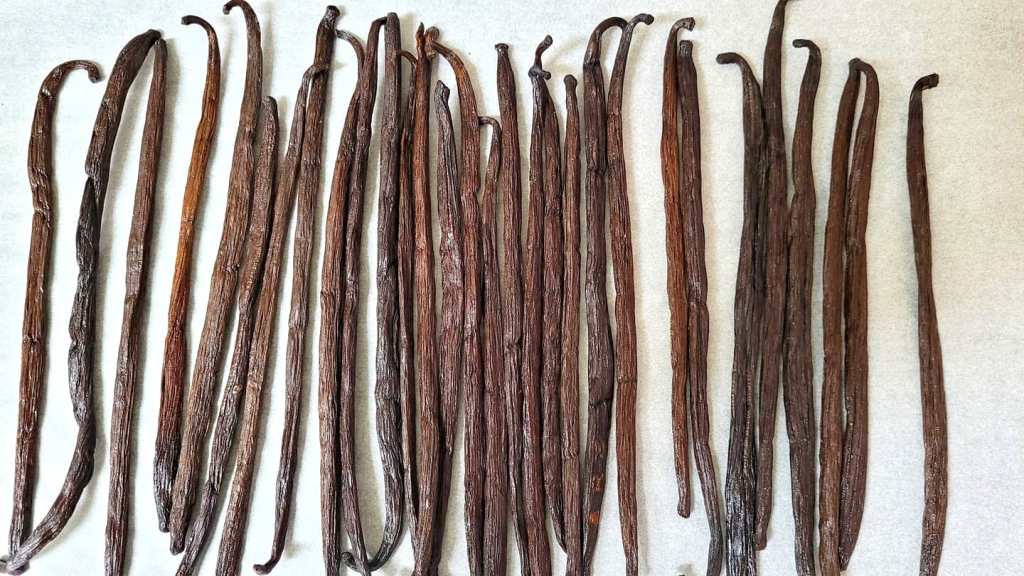
Things to Note
- Let your vanilla extract sit for 4 weeks before you use it. I let mine sit for a few months before using it. The longer it sits the better the flavour develops.
- Vanilla bean extract needs an alcohol content of 40% for it to work. Choose a liquor that compliments vanilla for better flavour (experiments are fun lol)
- Over the past 3 years I have added vanilla bean shells (after I scraped out seed) to my extract.
- Vanilla bean pods can be kept vacuumed sealed in the freezer for up to 4 years, (this is something I learned recently). So if you get a good deal for vanilla beans, you better stockpile and freeze them!
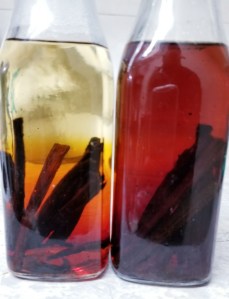
Homemade vanilla extracts are perfect gifts for friends and family during the holiday season. Most people use vanilla so why not create a personalized batch for that special someone? Have fun with your creation!
A detailed step-by-step video on how I created my vanilla bean extract!



 Soft Pastels Life
Leave a comment